


Nobody told Lee Cronin that when you slap a famous monster’s name on your film, you’re supposed to actually make a film about that monster. Or maybe someone did tell him, and he just ignored it. Either way, The Mummy this is not — at least not in any sense that Boris Karloff, Brendan Fraser, or even Tom Cruise would recognise. Cronin took one of Universal’s most iconic creatures, shoved it in a Cairo back alley, nicked the bandages, and quietly made something else entirely. Which is either bold filmmaking or shameless franchise-jacking, depending on your mood walking in.

Here’s the thing nobody wants to say out loud: the mummy in this film is basically furniture. It’s there, technically. There are bandages. There’s an ancient curse. But Cronin is far more interested in possession horror and family breakdown than in anything remotely Egyptian — and the Universal Monsters mythology gets about as much screen respect as the guy in a costume at a theme park. Think The Exorcist crossed with Hereditary, relocated to suburban New Mexico, and you’re closer to what this actually is.
Why call it The Mummy at all, then? Probably because Lee Cronin’s Possession Drama wouldn’t have shifted as many opening weekend tickets.
And what a film that is, for better and worse.
The story follows a journalist whose young daughter disappears into the Egyptian desert without a trace, only to be returned to her broken family eight years later — transformed into something that would make the priests of Amun-Ra reach for a sick bag. From this point, Cronin leans heavily into what he does best: a properly gnarly, gruesome, committed horror film about the nightmare of raising a teenager, grotesque and squirm-inducing in all the best ways. It is, without question, the most repulsive parenting metaphor since Hereditary — and in its best moments, it earns that comparison.

But here’s the provocation: Lee Cronin is a superb imitator and a frustratingly unoriginal filmmaker. In both Evil Dead Rise and The Mummy, he displays a curiosity for using horror tropes to expose the rot at the heart of the nuclear family unit — but with flesh being torn apart in increasingly humorous ways, he is a director whose influences sit squarely on his sleeve. Sam Raimi’s sleeve, to be specific. At what point does homage become a career limitation?

The film is a little long, and the third act collapses under a CGI avalanche that feels suspiciously like test screening feedback. That structural implosion is Cronin’s recurring Achilles heel — a director who builds atmospheric dread and then trades it for blockbuster spectacle that deflates everything that came before. It happened in Evil Dead Rise. It happens again here. You begin to wonder if he simply doesn’t trust his own ideas.

What saves the film from mediocrity is its cast and its sheer commitment to visceral unpleasantness. Jack Reynor’s quietly unravelling father is the film’s emotional spine, and he carries it with genuine weight — tapping into that same Midsommar fragility that made him so compelling in Ari Aster’s film. Natalie Grace as the returning daughter delivers a performance that will make parents deeply uncomfortable in ways that linger long after the credits roll.
If you want a horror film that makes you feel slightly ill and intermittently terrified, Lee Cronin’s The Mummy delivers. But if you want a filmmaker who has found his own voice rather than an exceptional impression of someone else’s — keep waiting.
Watch the Lee Cronin’s The Mummy Trailer
The title says it all, really. It’s not just called The Mummy. It’s called Lee Cronin’s The Mummy — as if the director himself needed the billing to prove he was there. After three features, he still hasn’t made the film that’s unmistakably, inescapably his. The bandages are impressive. The body underneath is still uncertain what it wants to be.
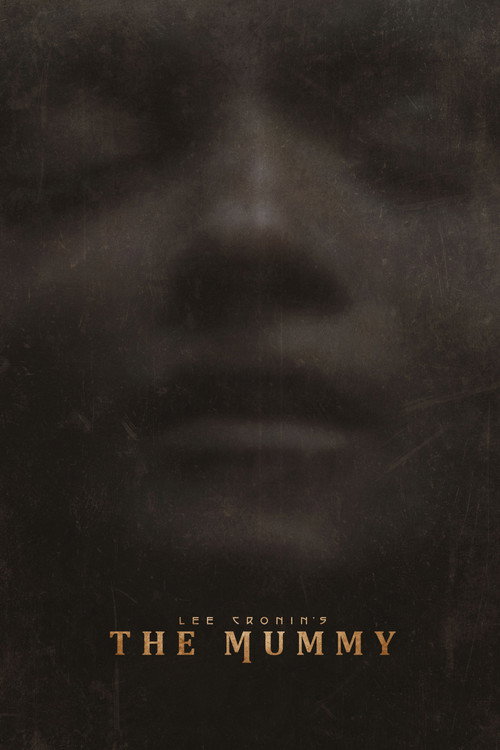
Data sources: FilmDB.co.uk and TMDb. Availability of information may vary, and accuracy is not guaranteed.
HorrorMystery133 min