


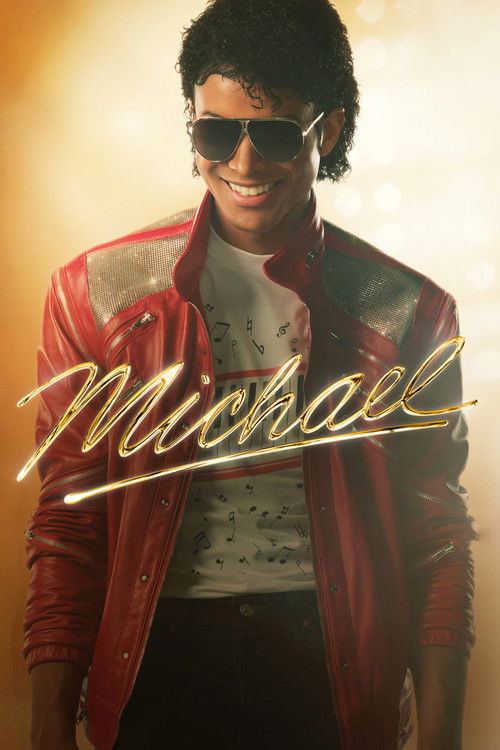
Antoine Fuqua’s Michael Jackson biopic has finally arrived — and if you stuck around past the final scene, you already know this story is just getting started.
A production that cost a fortune before a single reshoot
Nobody expected this one to come cheap. Music rights alone push any Jackson project into a different budget tier, and on top of that, the film had to physically rebuild some of the most famous concerts in pop history from the ground up. The original price tag was $155 million — serious money for a biopic, but arguably justifiable given the scale.
Then the whole third act fell apart.
The film had been built around the 1993 child abuse lawsuit against Jackson. Filming finished, post-production began — and then someone found a clause buried in the settlement with accuser Jordan Chandler that made it legally impossible to show him on screen. Fuqua had to gut the ending entirely and start over. The Jackson estate covered the extra shoot costs; Variety put the additional spend at around $10–15 million, though the total bill had climbed to $200 million by the time everything wrapped. The new ending pivots to Jackson’s bitter standoff with his father Joe over the solo career — which, as it turns out, is dramatically richer territory anyway.
The 1984 curtain call — and what the final title card actually means
The film closes out at the Victory Tour, Michael stepping to the mic and telling the crowd this is the last time the brothers perform together. Fade to black. Then, before the credits, a single line appears on screen: “His story will continue.”

No trailer, no release date, nothing confirmed — just that. But the implications are obvious. Everything the first film deliberately skipped — Neverland, the drug use, the full weight of the abuse allegations, the 2009 death — is being held back for the sequel. Colman Domingo confirmed during production that stopping in the mid-1980s was a conscious decision, not a runtime issue.
Lionsgate needs this to perform. The studio’s internal target is $700 million worldwide, and whether a follow-up actually gets greenlit depends heavily on whether audiences show up in the kind of numbers that kept Bohemian Rhapsody in cinemas for months. Around 30% of the footage shot for the original four-hour cut is apparently sitting in a vault, ready to be repurposed.
The box office math
Critics have not been kind — the film is sitting at 33% on Rotten Tomatoes at time of writing. That would normally be a warning sign. It isn’t here, or at least not yet.
Projections heading into opening weekend had Michael tracking at $65–70 million domestically from 3,900 screens, with Universal handling international across 82 markets for a projected $75–80 million overseas. Put those together and you’re looking at a $140–150 million global debut.
To put that in perspective: Straight Outta Compton, the current domestic record-holder, opened to $60.2 million. Bohemian Rhapsody managed $51 million in its first weekend before eventually running all the way to $910 million worldwide. Both had the same critic-audience score split — and if Michael can set a new record opening for a music biopic, it would join some very notable company. Graham King produced all three films. That pattern is not a coincidence.
On Jaafar Jackson
The one point of genuine consensus in an otherwise divided conversation: Jaafar Jackson is extraordinary in the role. Critics who have written off the film entirely are still finding space to say that his physical likeness to his uncle, and the performance behind it, are something to see. For a first-time actor, in a role carrying this much cultural weight, that is not a small thing.
Whether the film around him is good enough to earn a sequel remains to be seen. But the King of Pop’s story on screen is clearly not finished.
Michael is now in cinemas worldwide.
Data sources: FilmDB.co.uk and TMDb. Availability of information may vary, and accuracy is not guaranteed.